ADVERTISE WITH US TO SUPERCHARGE YOUR AI TOOL VISIBILITY
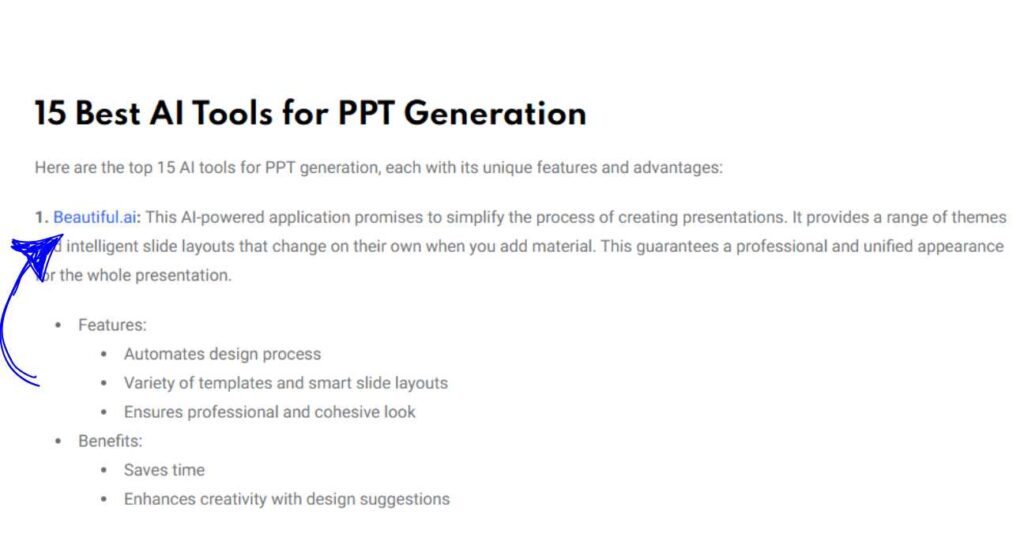
Boost Your SEO with a Do-Follow Listing
Enhance visibility and drive traffic with a do-follow backlink for just $100.
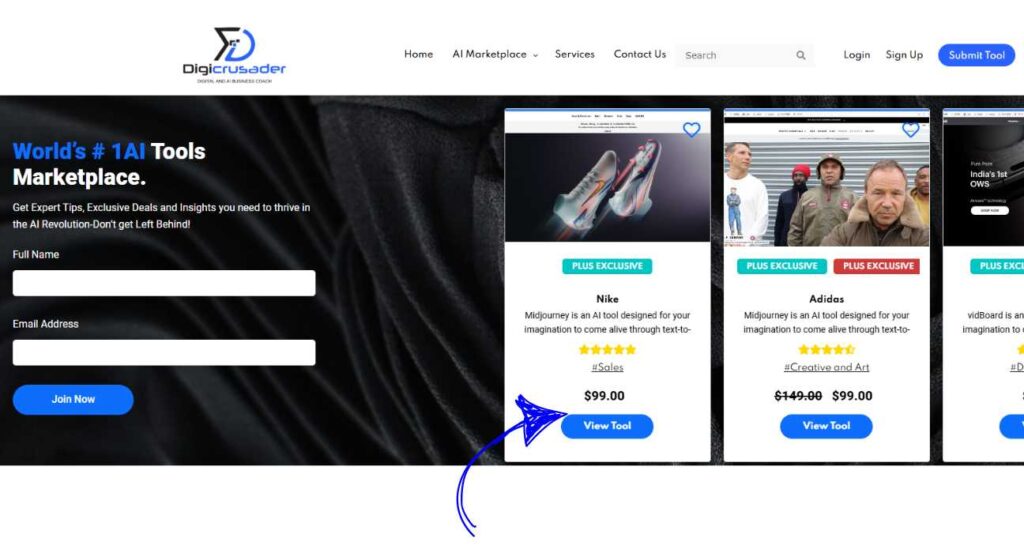
Feature Your Tool on Our Top Banner
Secure premium visibility with a top banner placement for 1 month at $300.

Highlight Your Tool with a Special Feature
Stand out with a featured tool highlight for 1 month on our marketplace for only $150.
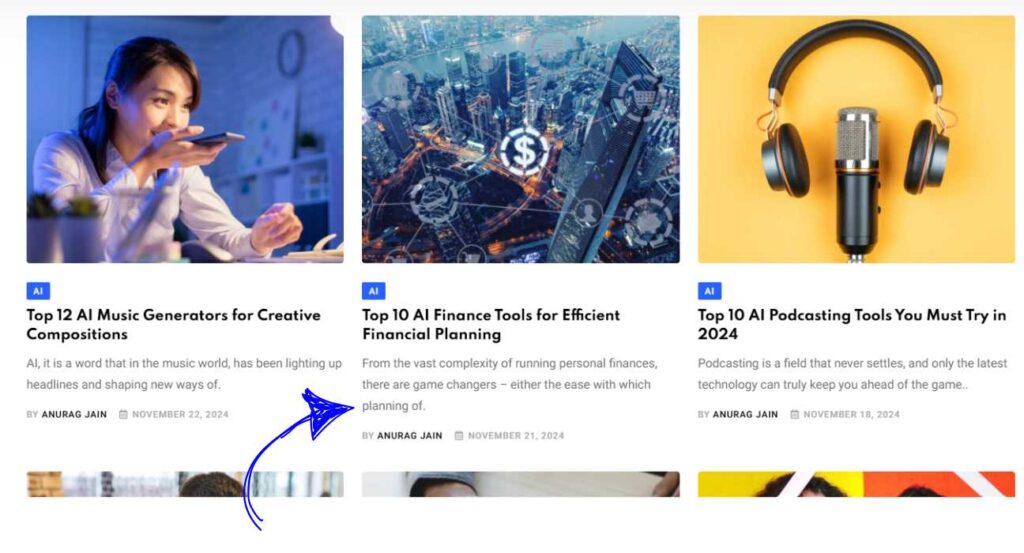
Publish a Guest Post on Digicrusader
Share your expertise and reach our audience with a guest post for $100.
Get Noticed with Social Media Shoutouts
Leverage our social reach with targeted shoutouts for just $100.
Win a Prestigious Award and Build Your Authority
Get recognized with website shoutouts, do-follow backlinks, certificates, and more for $500.
Advertise On AI Marketplaces
Table of Contents
ADVERTISE ON AI MARKETPLACES
Advertise AI tools, increase visibility, and drive adoption
If you've built an AI tool, that's a big win. The next step is getting it in front of the right users. Today's AI buyers are actively looking for solutions that save time, improve workflows, or solve specific problems. And they find these solutions on AI marketplaces, tools listing websites, and trusted industry platforms.
AI tools are not marketed like traditional software. You don't need to reach everyone, just the right users at the moment they are comparing options. That's why AI marketplaces, AI tools listing websites, AI marketing or advertising platforms, and guest posts are essential. They help you show up with context, credibility, and intent.
This guide breaks down how to advertise your AI tools effectively. You'll learn how AI tools marketing works, why marketplaces are crucial, and how listings and content help your product stand out without heavy ad spend.
What is the best way to advertise AI tools today?
Advertising AI tools today means showing up where buyers are already looking. In 2026, it's less about running ads and more about being visible and trusted at the moment users are buying.
AI users don't browse casually. They search with intent, compare options, and shortlist tools that solve a specific problem. Your job is to be present in those moments.
Here's what effective AI advertising looks like:
- Define a clear use case
Clearly explain the problem your AI tool solves and who it's for, so users instantly know if it fits their workflow. - Show up on AI marketplaces
List your tool on AI marketplaces and listing websites where users actively compare and shortlist solutions. - Highlight real outcomes, not hype
Showcase use cases, results, and workflows instead of generic feature claims. - Build trust through visibility
Stay consistently visible with reviews, comparisons, and mentions across trusted platforms to reduce buyer hesitation. - Educate before you sell
Support promotion with guest posts and website content that explains value, without pushing for immediate conversions.
Advertising AI tools today often means visibility through listings and content, not just paid ads. This way, discovery feels natural. Trust builds faster. And users move to buy your products without feeling pushed.
Advertise on AI Marketplace
Why do you need AI marketplaces for AI tool promotion?
AI marketplaces are platforms where users find, compare, and evaluate AI tools. These are high intent buyers comparing tools, checking reviews, and narrowing down choices.
Instead of displaying ads, marketplaces put your tool directly in the user's decision-making process.
Here's why advertising AI tools on an AI marketplace works:
- It matches how buyers search
Users visit AI marketplaces specifically to find and evaluate tools before making a decision. - Outperforms traditional ads
Marketplace visibility often converts better than paid ads because users already have intent, not just curiosity. - It reaches the right audience
Good AI marketplaces attract founders, marketers, developers, and teams who are actively seeking solutions. - Improves discovery with structure
Detailed categories, filters, and tags help the right users find your tool faster without extra ad spend. - Builds credibility through proof
Reviews, comparisons, and social signals increase credibility and speed up adoption.
Advertising on an AI marketplace puts your tool in front of the right users, at the right time, with context and credibility already working in your favour. This makes marketplaces the foundation of most AI tool promotion strategies, especially early on.
AI Tools Marketing Explained
What you need to know about AI tools marketing
Marketing your AI tools means making it easy to find, understand, and trust your product over time. Buyers compare carefully and move forward only when a tool feels relevant and trustworthy. Hence, clarity, consistency, and intent are essential.
The fundamentals of effective AI tools marketing:
- Position your tool clearly
Clearly state what your AI tool does, who it's for, and the problem it solves so buyers immediately know if it's relevant. - Explain real-world value
Show how your AI tool fits into actual workflows. Use examples, use cases, or comparisons instead of long lists of technical features. - Align messaging across channels
Your marketplace listings, website, and content should all tell the same story to avoid confusion and build credibility. - Support discovery with informational content
Use blog posts, comparisons, and guest content to educate users before they're ready to try or buy. - Build for long term visibility
Treat marketing as an ongoing system, not a one-time launch. Visibility compounds over time.
When done right, AI tools marketing keeps your message consistent wherever users encounter your tool. It also creates steady, predictable discovery instead of short-lived traffic spikes that fade fast.
How to choose the right AI marketing platform
An AI marketing platform helps your AI tools gain visibility. You can get your tool noticed through features, placements, or campaigns. A good AI marketing platform should support both organic exposure and light paid promotion.
What to look for in an AI marketing platform:
- Audience alignment
Choose AI marketing platforms used by your target users, whether founders, marketers, developers, or teams. - Flexible promotion options
Look for featured placements, sponsored listings, or launch highlights you can use for strategic timing. - Clear analytics
Ensure access to platform analytics to see what drives clicks, trials, and conversions instead of guessing. - Cost control
The best platforms offer a good balance of organic visibility and selective paid promotion.
Once you've picked the right AI marketing platform, the next step is making your tool easy to discover and understand. That starts with submitting a clear and accurate listing so the visibility can create interest and lead to conversion.
Submit and List AI Tools
How to submit AI tools to an AI advertising platform
Submitting your AI tool usually means creating a listing first, which helps your tool stand out. Most platforms reward clarity, completeness, and relevance.
How to prepare a strong AI tool submission:
- Write a clear tool description
Explain what your AI tool does in plain language. Avoid buzzwords and vague claims. - Highlight relevant use cases
Focus on features and outcomes that matter most to your target users, not every feature. - Add strong visuals
Upload screenshots or short demos to show your tool in action and increase engagement. - Choose accurate categories
Select the right tags and categories so the right users can find you easily. - Keep listings up to date
Update your listing as features, pricing, or positioning evolve to maintain accuracy and relevance.
A strong submission on an AI advertising platform becomes a reliable source of long term visibility and leads.
What AI platforms look for before approving tools
| What they check | What to do |
| ✅ Quality signals | Show a real, usable product with clear value |
| ✅ Clear positioning | State exactly what your AI tool does and who it's for |
| ✅ Active website | Keep pages live, accurate, and up to date |
| ✅ Complete listings | Fill all required fields with relevant details |
Common rejection reasons and how to fix them
| Rejection reason | How to improve approval chances |
| ❌ Buzzword-heavy copy | Use plain language and specific use cases |
| ❌ Wrong categories | Choose tags that match buyer intent |
| ❌ Missing details | Add screenshots, demos, and use cases |
| ❌ Outdated information | Update listings regularly |
Why do you need to list AI tools on a website or directory?
AI tools listing websites place your product where users already search, compare, and shortlist solutions. Instead of chasing traffic, you meet intent where it exists.
How do AI tools listings help:
- Reaches high intent users
Your tool appears on a list in front of people actively evaluating AI solutions. - Builds credibility through association
Being listed alongside recognized tools increases trust and reduces buying hesitation. - Enables easy comparisons
Listings help users compare features, pricing, and use cases in one place. - Drives long term discovery
Listings continue bringing visibility over time, unlike short ads that stop when budgets end. - Strengthens brand consistency
Repeated exposure across directories and marketplaces improves recall and trust.
When you list AI tools strategically, directories become reliable growth channels, and not just passive listings.
Proven Ways to Promote AI Tools
How to promote AI tools without burning your ad budget
Once your AI tool is listed on marketplaces or directories, AI tools promotion becomes about amplifying what already works, not starting from scratch.
You don't need big ad budgets but rather smart placement, clear messaging, and consistent visibility where the buying intent already exists.
Cost effective ways to promote your AI tools:
- Start with organic marketplace visibility
Use free listings on AI marketplaces to capture users at decision time. - Extend reach with AI directories
Directories support your main listings by reinforcing credibility and increasing touchpoints. - Use content-driven promotion
Guest posts, tutorials, and use-case content help users understand your tool before they ever click "try." This improves conversion quality, not just traffic. - Focus on niche platforms
Smaller, AI-focused platforms often outperform broad ad networks because the audience is already qualified. - Optimize for search intent
Match your descriptions, pages, and articles with how users actually search to improve results without increasing spend. - Repurpose content for scale
Turn one strong asset into a listing description, blog post, guest article, and platform profile.
When to add paid promotion:
- Sponsored placements on AI marketplaces
Use featured listings or paid boosts during launches, major updates, or when competition is high. These placements are cheaper than broad ads and work well because users already have intent. - Paid promotion on AI advertising platforms
Use these when you need fast visibility for a specific goal like a launch or time-bound campaign. They drive speed, but results stop when spending stops.
Free channels build trust and visibility over time. Paid options buy speed. The smart approach is to use free listings and content first, then add paid promotion once your messaging is proven.
AI website promotion strategies that actually convert
AI marketplaces help users discover your tool, but your website is where they decide to try or buy. Strong AI website promotion guides that decision, which is why keeping your site organized and up to date really matters.
AI website promotion strategies that work:
- Clarify website messaging
Optimize your site with clear messaging about what your tool does, why it matters, so visitors instantly understand your tool's value. - Create SEO driven content
Publish tutorials and articles that answer real user questions and capture high intent search traffic. - Guide users with internal links
Use structured pages and internal linking to move visitors smoothly from discovery to trial or sign ups. - Build authority through proof
Share blog posts, case studies, and insights that position your AI tool as a trusted solution. - Keep content fresh and aligned
Update pages as your product evolves. Consistency across your site and listings reinforces trust.
Organic website promotion doesn't replace marketplaces or listings. It supports them. Together, they strengthen visibility and improve conversion quality over time.
Guest Posting for AI Tools
How an AI tools guest post helps with promotion
A digital marketing guest post promotes your AI tool by teaching first and selling later. Instead of pushing ads, you introduce the problem, share insight, and let readers discover your tool naturally. This works especially well for AI tools that need explanation or trust before adoption.
Best practices for AI tools guest posts
| ✔️ Lead with a clear use case that shows the problem your AI tool solves |
| ✔️ Educate first with insights or tutorials to build credibility |
| ✔️ Publish on AI, SaaS, or niche sites that your users already follow |
| ✔️ Include one natural, relevant link to your website or marketplace listing |
| ✔️ Keep the tone helpful and practical, not promotional |
| ✔️ Repurpose the post across platforms to extend reach |
Guest posting works best when you need to show the value your tool creates. When used well, it helps advertise AI tools organically, attract engaged users, and strengthen your long term visibility.
This is especially valuable for founders building trust in competitive or emerging AI categories.
Conclusion
Advertising AI tools work best when all channels support each other.
AI marketplaces handle discovery by placing your tool where users already compare options. Strong listings do the heavy lifting by explaining value quickly and clearly.
AI marketing platforms and selective paid placements help amplify visibility when timing matters.
Content and guest posts build trust by educating users before they even reach your product.
Over time, this approach does more than drive traffic. It builds credibility, reinforces your expertise, and creates real impact for the users you serve, making this a smart long term business decision.
Advertising and Promoting AI Tools FAQ
1. What does it mean to advertise an AI tool?
Advertising an AI tool means making it visible to the right users at the right moment. This usually happens through AI marketplaces, listings, content, and selective promotion rather than broad ads. When done well, discovery feels natural, and trust builds faster.
2. What is the difference between AI marketplaces and AI advertising platforms?
AI marketplaces are discovery spaces where users search, compare, and shortlist tools. AI advertising platforms focus on visibility through featured placements, boosts, or campaigns. Marketplaces support long term discovery, while advertising platforms are better for short-term reach.
3. What should I include when I list my AI tool?
A strong listing clearly explains what your tool does, who it's for, and why it matters. Include key use cases, screenshots or demos, accurate categories, and up-to-date information so users can quickly decide if it fits their needs.
4. How do I submit AI tools to a marketplace?
Most marketplaces follow a simple process. You create an account, submit your tool details, upload visuals, and choose relevant categories. Clear positioning and complete information improve approval chances and visibility.
5. How do you promote your AI tools effectively after listing them?
AI tools promotion works best when it builds on a strong listing. Use guest posts, AI directories, website content, and niche platforms to reinforce visibility. The focus should be on reaching ideal users, not chasing volume.
6. How do guest posts help advertise AI tools?
Guest posts introduce your AI tool through education. By sharing insights or real use cases on trusted websites, you build credibility and attract users who already care about the problem you solve.
7. Can an AI website promotion increase tool adoption?
Yes. SEO-driven content, clear messaging, and strong internal linking help with conversions. Your website supports marketplaces by guiding users from discovery to trial with confidence.
8. Are there cost-effective ways to advertise AI tools?
Yes. Free marketplace listings, directories, guest posts, and organic content are effective starting points. Paid promotion can be added later once messaging and positioning are proven.
9. Why is consistent visibility important for AI tools?
Buyers rarely convert on the first touch. Repeated exposure across marketplaces, content, and platforms builds familiarity and trust, making adoption more likely over time.
10. Can AI tools marketing work for early-stage startups?
Yes. Early-stage tools benefit most from marketplaces and content-led promotion. These channels help startups gain visibility, collect feedback, and build credibility without large budgets.