

I used to think “content repurposing” was mostly a marketing phrase people threw around when they wanted to make one asset sound more valuable than it really was. After working with more AI video tools, I changed my mind. Repurposing is not a theory when you are trying to ship content regularly. It is survival.
What pushed me in that direction was not a lack of ideas. It was the opposite. I had enough clips, enough visuals, and enough concepts, but too many of them were stuck in a single format. One clip worked as a demo but not as a stylised post. One generation looked good, but ended too quickly. One solid asset kept falling just short of being reusable.
That is where I started paying closer attention to tools like GoEnhance AI video extender. I was not looking for magic. I was looking for leverage. If a decent clip could be stretched into something more useful without reshooting or rebuilding the whole idea, that was already valuable.
Why repurposing matters more now than it did before
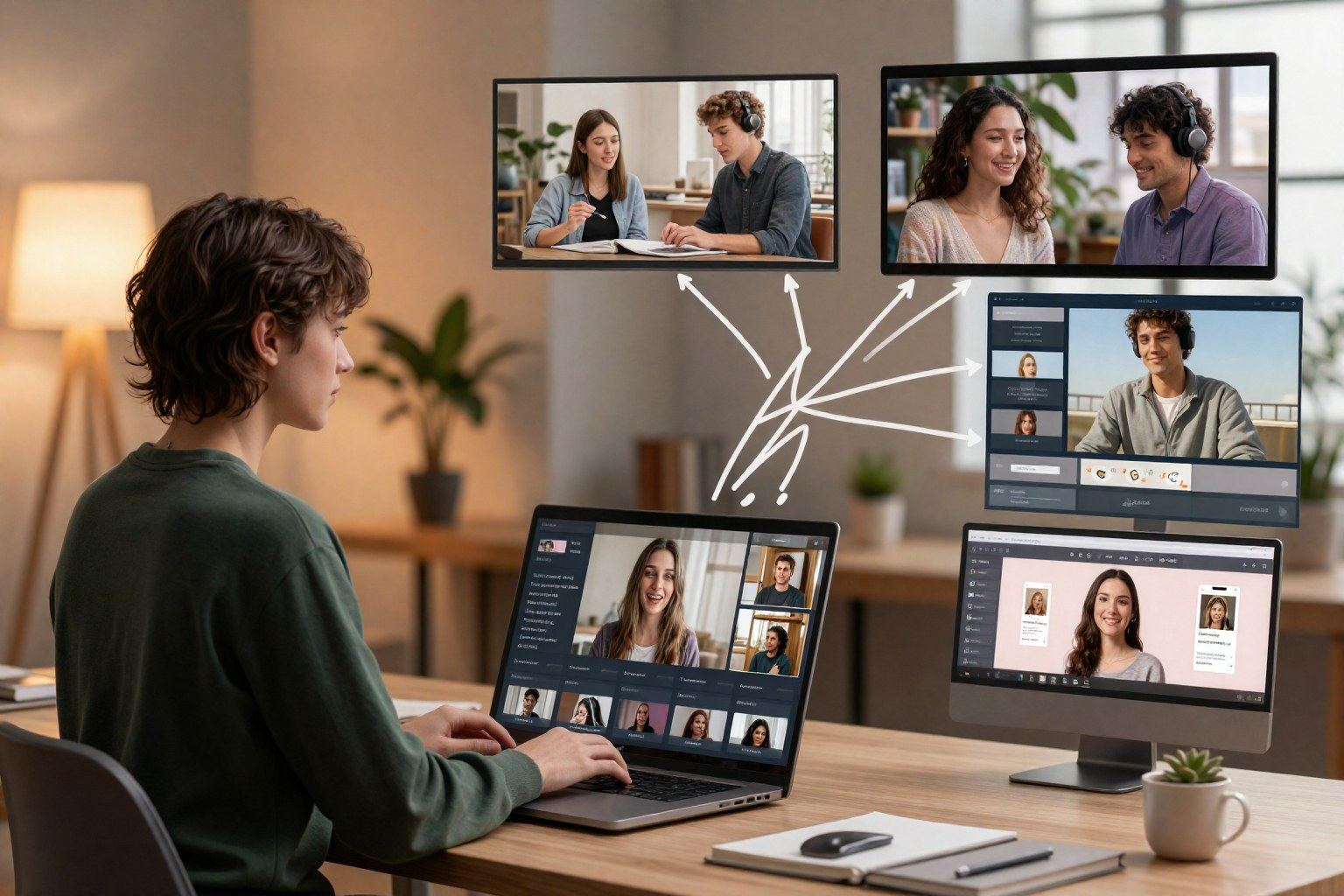
The pressure on content teams, solo creators, and even small business owners has changed. People are no longer creating one video and moving on. The same concept now needs to live on a landing page, in a social post, inside an ad variation, or in a more stylized form for a different audience.
From my own observation, the problem is rarely “I have nothing to post.” It is much more often “I do not have the right version of what I already made.”
That distinction matters because it changes how I evaluate AI tools. I am not only asking whether a tool can generate new content. I am asking whether it can help me get more mileage out of material that already has value.
The two gaps I keep running into in video workflows
Most of the time, the friction appears in one of two places.
One version of the problem is length. A clip has the right look and the right energy, but it ends before it becomes truly useful. That happens more often than people think, especially with AI-generated content and short-form visuals.
The other version is style. A realistic clip may work for one channel, while a more stylized or animated version may perform better somewhere else. The underlying idea is still good. The presentation just needs to shift.
Once I framed the problem that way, my workflow became clearer. I no longer expected one asset to do every job by itself. I looked for ways to reshape it intelligently.
Extending footage can be more valuable than creating a brand-new clip
I have learned not to underestimate how much value there is in preserving momentum. If a clip already works visually, replacing it with a brand-new generation is not always the smart move. Sometimes the better move is to keep the asset and give it more room to breathe.
That is what made extension tools worth testing seriously for me. A short clip that feels cut off can become more usable with just a little extra movement, a smoother ending, or enough duration to support captions, transitions, or on-page display.
Here is how I think about it in practical terms:
| Scenario | What extension helps with |
| ad-style clips | gives room for copy or CTA timing |
| landing page visuals | avoids abrupt looping |
| short AI generations | let the idea land more naturally |
| social posts | improves pacing without reshooting |
The real value is not “more seconds” in a vacuum. It is a better fit for distribution.
Style conversion opened up a second layer of reuse for me
The other shift came when I spent more time experimenting with stylization. Some videos are perfectly fine as they are, but others become more distinctive when translated into a different visual language.
That is why I started seeing a video to animation converter less as a novelty feature and more as a repurposing tool. A stylized output can change the audience response without requiring a totally different concept.
This has been especially useful when I want to:
- make a clip feel more branded
- soften overly literal footage into something more creative
- adapt content for anime-inspired or cartoon-friendly audiences
- create a more eye-catching social asset from a straightforward original
There is also a strategic benefit here. Style conversion can help one underlying idea travel across different content environments. That matters when attention patterns vary from platform to platform.
What I have learned about choosing AI tools for reuse, not hype
After enough experimentation, I have become more skeptical of “best AI tool” claims. In actual workflow terms, the best tool is often the one that solves a narrow but repeated problem.
The questions I now ask are much simpler:
- Does this help me reuse existing assets more effectively?
- Does it reduce production waste?
- Does it save time without making the output harder to edit later?
- Does it expand publishing options rather than just create another demo?
Those questions have helped me avoid the common trap of chasing features that look impressive in isolation but do not improve my actual content system.
My honest conclusion after using AI for repurposing
The strongest use case I have found for AI video is not necessarily full generation from nothing. That gets the attention, of course, but it is not always where the practical value lives.
For me, the more durable value has come from transformation. Stretching a short clip. Reframing a usable asset. Converting one visual style into another. Turning something that was stuck in one lane into something flexible enough to travel.
That is why I now think about AI less as a replacement for content creation and more as a multiplier for content utility. When an asset already has potential, the smartest move is not always to start over. Sometimes it is to extend it, reshape it, and let it work harder than it did the first time.