
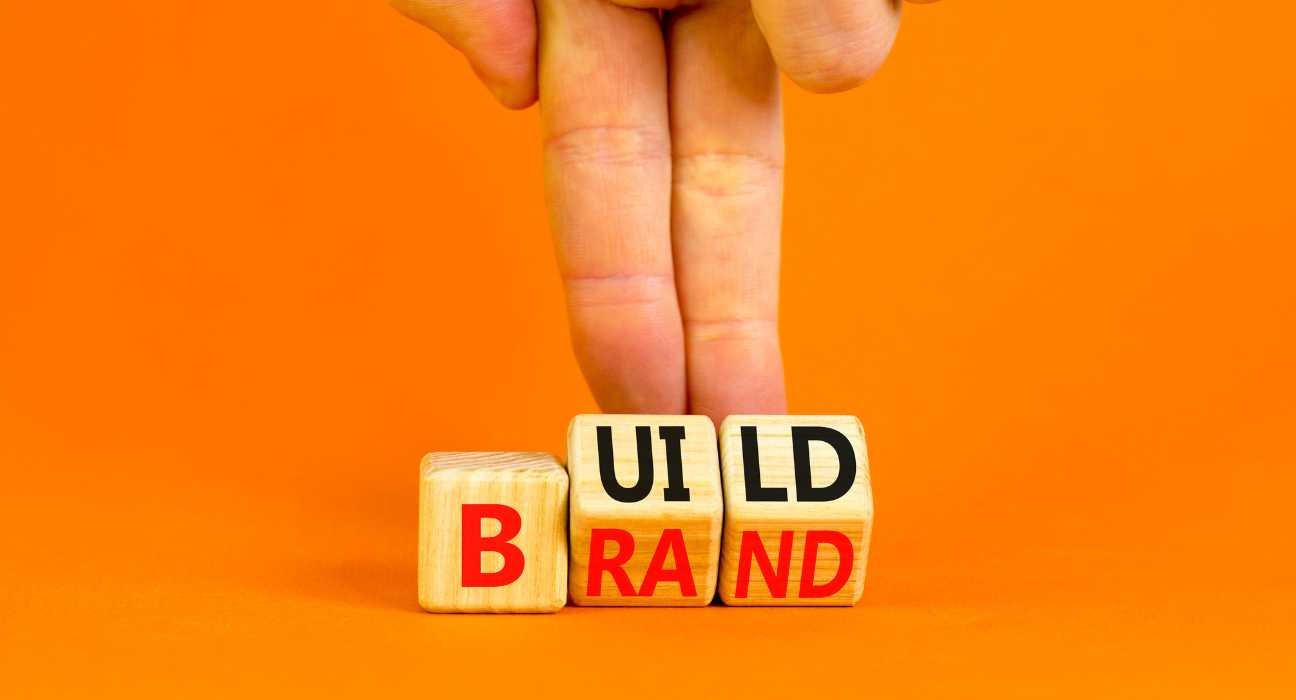
Walk through any busy street and you feel the pressure that brands face today. Every corner holds a message. Every window flashes some bold idea. It gets hard for any business to claim attention. It also gets confusing for customers who face a mix of colors, logos, and promises. The noise grows. The competition climbs. Many brands try to shout over each other. Some simply fade.
Good design changes that. It gives a brand room to breathe. It lifts a message. It adds shape to ideas that get lost in a rush. Thoughtful design still feels powerful in a world filled with quick impressions and short attention spans.

Why Strong First Impressions Matter
Look at the front of any store or office. That small space holds a lot of weight. It sets a tone before a customer walks inside. It gives clues about personality, values, and quality. Many companies lean on a well-made custom business sign to do that job because it signals care and intention. It shows that the team behind the brand pays attention to detail.
Good signage or visual identity works like a handshake. It gives a sense of trust without many words. It also creates memory. People recall shapes faster than sentences, so a strong visual mark lingers for a long time.
Clarity as a Design Strategy
Some brands try to stand out with loud graphics. Others try to outshine their rivals with intense colors. That approach can backfire. Clarity works better. Clear design guides the eye. It helps people grasp the message without effort.
Clean layouts give structure. Short phrases help messages land. Simple color choices create calm. These elements sound basic, but they can change the way customers move through visual space. When clarity wins, confusion goes away. That feeling of ease helps a business build trust faster.
Telling a Story Through Style
Every business has a story behind it. Some brands lean on history. Some highlight fresh ideas. Some want a playful tone. Style becomes the tool that brings that story to life. It shapes mood. It sets pace. It shows what the brand cares about.
Typography plays a part. Icon style adds character. Image choices shift tone. These small pieces create a world that customers can feel. When a design team builds a style rooted in a real story, the brand starts to feel alive. People connect with that. They respond to it. They return to it.
Texture and Material Choices Matter
Many people overlook the impact of physical materials. Digital design gets most of the attention, but physical choices still matter a lot. A textured menu. A thick business card. A matte sign. A soft-touch package. These items create a sensory moment. They form impressions that last longer than a quick online scroll.
A small shift in material quality gives a strong signal. It says the business invests in itself. It says the team behind it cares about how things feel. That level of care speaks louder than many taglines.
Color Psychology Plays a Quiet Role
Color choices shape behavior more than people realize. Soft tones create calm. Bright hues add energy. Deep shades project strength. The right palette supports the brand’s personality and guides customer emotion without pushy tactics.
Companies often rush this step. They pick colors that look trendy or familiar. A better approach looks at purpose. Each shade should match the feeling the business wants to create. When the palette aligns with the brand promise, customers feel more comfortable. That comfort creates loyalty.
Consistency Builds Recognition
A great design loses power if it shifts too much. Consistency helps customers build mental links. It creates rhythm. It allows a message to feel stable. Brands that show the same tone, colors, shapes, and style across their materials feel stronger. They feel solid. They feel reliable.
Consistency is not repetition. It is alignment. It keeps things familiar without locking the brand into a stale routine. When design stays steady, customers start to recognize the brand even from small clues. That level of recognition becomes an advantage in crowded markets.
Design as a Long-Term Investment
Good design takes time. It also takes intention. Many businesses treat it as decoration, but design plays a deeper role. It shapes the way customers think. It helps teams express values without long explanations. It builds recognition that grows over the years.
Strong design does more than make things look nice. It makes things feel real. It gives the brand a home in the customer’s mind. In a noisy market filled with quick impressions, that level of presence becomes priceless.