
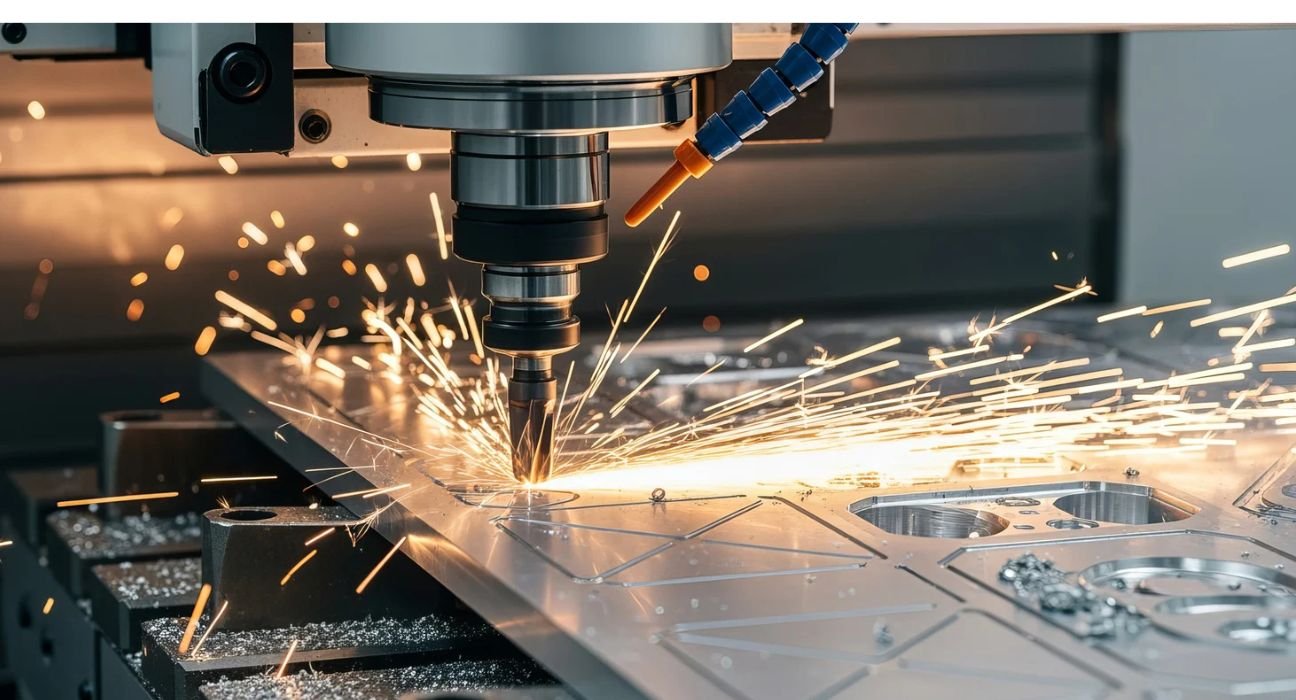
Stories about worn ways and dead controls can make used CNC machines seem like a risky purchase. Those problems deserve attention, but they don’t describe every machine on the market. Condition, capability and documentation provide a better basis for comparison than the new-or-used label alone.
Myth 1: used means outdated and unreliable
A 10-year-old machining center can still cut within spec if it was maintained and checked. A 3-year-old machine that crashed and missed service intervals can be a problem. Age alone doesn’t settle it.
The exact control generation and installed options affect usability alongside build year. Check whether the necessary software, parameter backups, documentation and replacement components are available. A familiar control brand doesn’t establish support for every model it produced.
Measurement evidence helps separate opinion from fact. A ballbar test measures deviations from a programmed circular path and helps diagnose positioning errors. A representative test cut provides evidence of dimensions and surface finish under cutting conditions; repeated measurements help assess consistency. Neither test proves a machine is perfect, but both offer more than a photo and a model year.
Purchase price is another reason to consider used equipment. Compare the actual used-machine quote with a new alternative offering the required capability. Any savings need to survive the cost of inspection, installation and necessary repairs.
Myth 2: spindle hours tell the whole story
Spindle hours get plenty of attention in listings for a CNC machine for sale. There’s good reason for that. Hours give a quick sense of use.
They’re a starting point.
They don’t explain how those hours happened. A machine that ran light aluminum on one shift with regular service can be in better shape than a low-hour machine that cut hard alloys nonstop with missed coolant changes. Way condition and ball screw backlash fill in some of that gap, along with control alarms and crash history.
Spindle hours are best read with maintenance logs. Dated service entries, filter and oil changes, alignment checks and repair notes show whether the machine got steady care. An hour reading without supporting records leaves important questions unanswered.
Don’t skip the physical signs. Look for scoring on guideways and play in the axes. Ask what materials were cut and whether the work was heavy roughing or light finishing. That context predicts remaining life better than age alone.
Myth 3: auctions are always the cheapest route
An auction hammer price isn’t the total purchase cost. Read the sale terms for buyer’s premiums, taxes and removal requirements. Confirm which tooling and accessories are included, then add inspection, shipping, rigging and any necessary repairs.
Dealer quotes need the same scrutiny. Some services or accessories may be included; others may cost extra. Neither sales channel is automatically cheaper. Comparing equivalent delivered-and-ready-to-run costs is more useful than comparing advertised prices alone.
Auctions can work for buyers who have riggers lined up and can inspect in person. Private sales from closing shops can work the same way when records are open. Problems start when bidding happens from photos with no power-on test.
Add downtime to the math. A bargain that needs a ball screw replacement and waits weeks for parts isn’t cheap if jobs are late. A machine in documented condition can cost less once the spindle is turning and jobs ship.
Myth 4: all used dealers are the same
Similar prices don’t establish that two machines received the same inspection. An inventory comparison can include dealers such as Premier Equipment alongside auctions to compare documentation and support terms side by side.
One dealer may clean machines and sell as-is with limited records. Another may pull maintenance history, check way wear, verify control backups and run a test cut before listing. Test cut results and calibration reports are worth asking for in every case.
That gap makes the inspection details worth comparing alongside the price.
Ask how the dealer sources machines. Ask what is inspected and who does the work. Late-model multi-axis centers and lathes from builders like Mazak, Haas, Okuma and Doosan are common on the used market, but parts and service knowledge still vary by brand and control. Warranty and service contract terms also vary. A clear answer says more than a low quote.
Myth 5: used machines can’t be financed
A used machine isn’t automatically excluded from equipment financing. Lenders may finance pre-owned CNC equipment, though approval depends on the lender’s criteria, the machine and buyer eligibility. An advertised financing option is not an approval or a guarantee of particular terms.
Terms vary widely. Rate, length, down payment and fees hinge on machine age, brand, appraised value and credit profile.
Some lenders will consider shipping or tooling in the same loan amount, subject to appraisal and loan terms. Others will fund the machine only. Available options depend on the lender’s review of the deal.
A lender may require an appraisal to assess the machine’s value. Serial numbers, equipment descriptions and maintenance records can support that review, although document requirements and timing vary.
Cash isn’t necessarily the only path. Lender discussions can clarify available terms and written conditions, including which expenses must be paid separately. Financing spreads payments over time but also adds borrowing costs and obligations; it doesn’t remove the machine’s operating risks.
Price matters, but it is only part of a sound comparison. Records, inspection data and clear purchase terms help buyers distinguish a capable used machine from one that needs more work than its asking price suggests.